


Learn practical tips for saving money daily. Master everyday budgeting, smart shopping, and cutting unnecessary expenses to build financial stability and reach your goals.
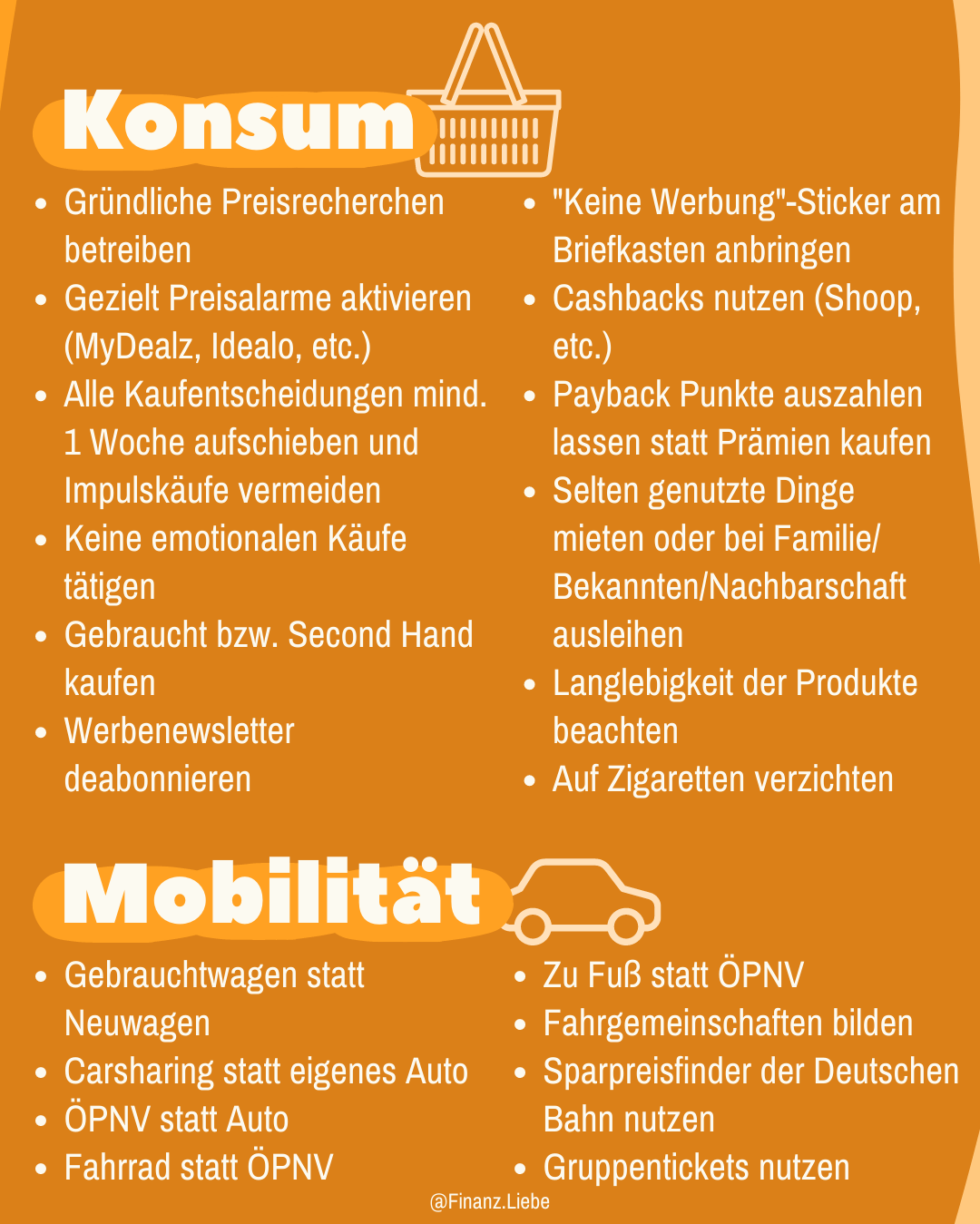
Managing personal finances effectively often comes down to making small, consistent choices in our daily lives. While grand investment strategies have their place, the foundation of financial health is built on how we handle our money day-to-day. For many, the idea of saving can feel overwhelming, especially when expenses seem to constantly rise. However, by adopting mindful habits and a strategic approach, anyone can significantly improve their financial standing and build a more secure future without feeling deprived. It’s about finding smart ways to reduce spending and allocate resources more efficiently, making every dollar work harder for you.
Overview
- Creating and consistently tracking a budget is fundamental to understanding your income and outflow.
- Distinguishing between essential needs and discretionary wants helps prioritize spending and identify areas for cuts.
- Strategic grocery shopping, including meal planning and making lists, can dramatically reduce food expenses and waste.
- Actively seeking out discounts, coupons, and sales, along with considering generic brands, offers significant savings.
- Reducing household utility consumption through energy-efficient practices lowers monthly bills.
- Regularly reviewing and canceling unused subscriptions prevents unnecessary recurring charges.
- Prioritizing debt repayment, especially high-interest debts, frees up more money for savings and investments.
- Building an emergency fund provides a financial safety net and prevents future debt accumulation.
Sparen im Alltag: Budgetierung und Ausgabenkontrolle
The first step to effective Sparen im Alltag is understanding where your money goes. Many people feel they don’t have enough to save, but without a clear picture of their spending habits, it’s hard to identify areas for improvement. Start by creating a detailed budget. List all your sources of income and then meticulously track all your expenses for a month. This can be done with a spreadsheet, a budgeting app, or even a simple notebook. Categorize your spending into fixed costs (rent/mortgage, loan payments, insurance) and variable costs (groceries, entertainment, dining out). Once you have this data, you can see patterns and pinpoint exactly where your money is flowing. A common trap is lifestyle creep, where increased income leads to increased spending rather than increased savings. By regularly reviewing your budget, you can catch this early. Differentiating between needs and wants is crucial; while a roof over your head is a need, a daily gourmet coffee might be a want. Cutting back on wants doesn’t mean eliminating joy, but rather making conscious choices that align with your financial goals. For example, if you spend $5 every workday on coffee, that’s $25 a week, or roughly $100 a month. Over a year, that’s $1,200 – a substantial amount that could go towards an emergency fund or debt repayment.
Sparen im Alltag: Intelligentes Einkaufen und Essensplanung
Food is a significant expense for most households. Smart strategies around groceries can lead to considerable Sparen im Alltag. The key begins before you even step into the store: meal planning. Decide what you’ll eat for the week, check what ingredients you already have, and then create a precise shopping list. Stick to this list to avoid impulse purchases. Consider buying generic or store-brand products; in many cases, they offer comparable quality to name brands at a fraction of the cost. Utilize sales flyers and coupons, and don’t hesitate to buy non-perishable items in bulk if the price is right and you have storage space. Cooking at home is almost always cheaper than eating out. Even making lunch to bring to work can save you a significant amount over the course of a month or year. Reduce food waste by properly storing food, using leftovers creative US recipes, and understanding “best by” dates versus “use by” dates. Planting a small herb garden or even a few vegetable plants can also save money on produce and add freshness to your meals.
Sparen im Alltag: Reduzierung der Haushaltskosten
Beyond food, household expenses offer another fertile ground for Sparen im Alltag. Utility bills, for example, can often be trimmed. Be mindful of your energy consumption: switch off lights when leaving a room, unplug electronics that draw phantom power, and adjust your thermostat. Even small actions like switching to LED light bulbs can make a difference over time. In cooler months, lower the thermostat by a few degrees and layer up; in warmer months, raise it and use fans. Air sealing drafts around windows and doors can also improve energy efficiency. Review all your monthly subscriptions, from streaming services to gym memberships. Are you using them all regularly? Canceling just one or two unused subscriptions can free up tens of dollars each month. Consider doing DIY repairs for minor issues around the house instead of calling a professional, saving on labor costs. Even renegotiating insurance premiums or switching providers can lead to significant annual savings. Many companies are willing to offer better deals to retain customers or attract new ones.
Sparen im Alltag: Finanzielle Gewohnheiten optimieren
Finally, truly effective Sparen im Alltag involves optimizing your broader financial habits. One of the most impactful steps is to prioritize paying down high-interest debt, such as credit card balances. The interest rates on these debts can quickly eat away at any money you’re trying to save, making it a treadmill where you’re constantly running but not getting ahead. Once high-interest debt is under control, focus on building an emergency fund. This fund, ideally covering three to six months of living expenses, is crucial for financial stability. It acts as a buffer against unexpected costs like medical emergencies or job loss, preventing you from having to go into debt again. Set clear, realistic financial goals, whether it’s saving for a down payment on a house, a child’s education, or retirement. Having a goal provides motivation and a clear purpose for your saving efforts. Automate your savings by setting up regular transfers from your checking account to a savings account. This “pay yourself first” approach ensures that saving isn’t an afterthought but a consistent part of your financial routine.
