


Key Takeaways
- Small electrical warning signs can point to larger safety concerns.
- Flickering lights, warm outlets, buzzing sounds, and repeated breaker trips should not be ignored.
- Modern homes may need additional capacity for EV chargers, heat pumps, induction appliances, and home offices.
- Simple checks can help homeowners identify concerns, but panel work and new circuits require qualified help.
- Regular inspections and thoughtful planning can reduce risk before a problem becomes an emergency.
Why Home Electrical Safety Matters
Electricity supports nearly every part of home life, including lighting, cooling, cooking, entertainment, appliances, and remote work. Because much of a home’s wiring is hidden behind walls and ceilings, it’s important to develop a basic awareness of warning signs. When a concern involves equipment, circuits, or concealed wiring, a residential electrician can evaluate the issue rather than leaving homeowners to guess at the cause. Electrical problems deserve the same routine attention as smoke alarms, plumbing leaks, and roof damage. The Electrical Safety Foundation International notes that electrical malfunctions account for thousands of home fires each year, which is a reminder that prevention often begins with noticing small changes before they worsen.
Electrical Warning Signs To Watch For
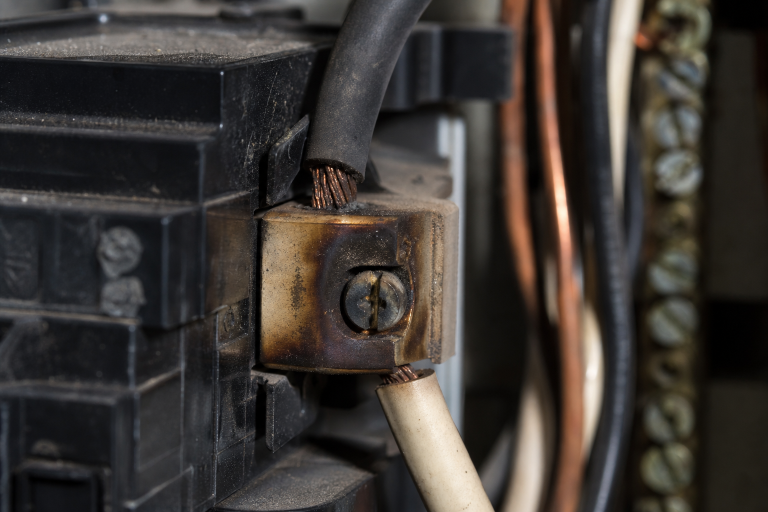
An electrical system may give visible, audible, or physical clues before a major failure occurs. Heat, smoke, sparks, and burning odors are especially serious. Stop using the outlet, switch, appliance, or fixture involved, avoid touching damaged components, and arrange for prompt evaluation.
Common Warning Signs
- Lights that flicker, dim, or brighten unexpectedly when appliances start.
- Outlets, plugs, switch plates, or electrical panels that feel warm.
- Brown, black, melted, or scorched marks near an outlet or switch.
- Buzzing, crackling, or humming sounds from fixtures, outlets, or walls.
- A burning or unusual odor near wiring, switches, or appliances.
- Breakers that trip repeatedly during ordinary household use.
- Mild shocks, tingling, or intermittent power from an appliance.
- Loose plugs that will not remain securely in an outlet.
These symptoms do not all have the same cause. A loose receptacle, a failing appliance, an overloaded branch circuit, a damaged wire, or a moisture problem can produce similar signs. The safest response is to treat recurring symptoms as a condition to diagnose rather than an inconvenience to work around.
How To Spot An Overloaded Circuit
A circuit becomes overloaded when connected devices demand more current than it is designed to supply. Power strips can be useful for low-demand electronics, but they should not become permanent substitutes for enough outlets and properly sized circuits. Larger projects involving new outlets, dedicated equipment, or changed household needs may require professional electrical installation rather than another extension cord.
Questions To Ask During A Quick Check
- Do several high-energy devices share one outlet or circuit?
- Does a breaker trip when two appliances run at the same time?
- Are extension cords routinely used instead of permanent wiring?
- Do lights dim when a refrigerator, air conditioner, or other motor starts?
When An Electrical Panel May Need An Upgrade
An older panel does not automatically need replacement, but it may lack capacity, space, or newer protective features needed for current use. An inspection is sensible if the home has fuses, few available breaker spaces, recurring trips, rust or water staining, heat damage, ungrounded outlets, or plans for high-demand equipment. A panel upgrade is not always the only solution. A load calculation may show that a dedicated circuit, a repair, better load distribution, or targeted changes will address the issue. The goal is to match the solution to the home’s actual electrical demand and wiring condition.
Planning For Modern Electrical Loads
Household electrical needs have expanded substantially. A single home may now support computers, networking equipment, large televisions, workshop tools, heat pumps, induction ranges, hot tubs, battery chargers, and electric vehicles. Planning before purchasing major equipment helps avoid rushed decisions after installation has already begun. Homeowners can use an electric-ready home checklist to think through panel capacity, available breaker spaces, future 240-volt equipment, and the likely locations of additional appliances. This planning is particularly useful during remodeling, when adding conduit or circuits may be easier before walls are closed.
A Better Planning Process
- List the major electrical loads already in the home.
- Add equipment that may be installed within the next several years.
- Identify appliances that may need dedicated circuits.
- Request a load assessment before construction starts.
- Confirm local permit and inspection requirements before work begins.
What Homeowners Can Handle Safely
Homeowners can often replace light bulbs, reset a breaker once after identifying and unplugging the likely overload, test GFCI devices, label breakers, and replace decorative cover plates with power off and no wiring disturbed. Always stop if the condition is unclear or if damage is visible.
Tasks That Should Not Be DIY Projects
- Replacing or modifying an electrical panel.
- Adding circuits, outlets, or hardwired appliances.
- Installing an EV charger or whole-home generator.
- Rewiring older sections of a home.
- Repairing melted, sparking, or water-damaged wiring.
- Working near the service entrance or utility connection.
When To Call A Qualified Electrician
Professional help is appropriate when a problem involves hidden wiring, high current, repeated breaker trips, water exposure, permits, or new circuits. Call for urgent assistance when there is smoke, sparking, a persistent burning smell, a hot panel, exposed wires, or a breaker that will not reset. If there is an active fire or immediate danger, leave the area and contact emergency services.
A Simple Home Electrical Checklist
- Test GFCI outlets using their test and reset buttons.
- Look for loose, warm, or discolored outlets and switches.
- Inspect cords for fraying, crushing, cuts, or heat damage.
- Remove extension cords being used as permanent wiring.
- Keep electrical equipment away from sinks, tubs, and wet floors.
- Keep the electrical panel clear, accessible, and accurately labeled.
- Schedule an evaluation after major remodeling or equipment changes.
Common Questions About Home Electrical Safety
How Often Should A Home Electrical System Be Checked?
Timing depends on the home’s age, condition, remodeling history, and electrical demand. An inspection is especially useful after buying an older home, completing a substantial renovation, adding major appliances, or noticing warning signs.
Does A Tripped Breaker Always Mean The Panel Is Bad?
No. A breaker can trip due to an overload, a short circuit, a ground fault, a damaged appliance, or a worn breaker. Repeated trips should be investigated instead of repeatedly resetting the breaker.
Are Power Strips Safe?
Power strips can be appropriate for low-demand electronics when used according to their ratings. They should not power high-demand appliances or replace permanent outlets where more capacity is needed.
Can A Homeowner Replace An Outlet?
Local requirements vary, and outlet replacement can be unsafe when wiring is damaged, ungrounded, aluminum, or poorly identified. Professional help is the safer choice when the wiring condition is uncertain.
Conclusion
Electrical safety starts with attention to small warning signs before they become larger problems. A flickering light, a warm outlet, a crowded power strip, a burning odor, a damaged cord, or a frequently tripped breaker may seem minor, but each can indicate a system under stress or a component in need of attention. Regular checks, sensible use of electrical devices, and practical planning can help homeowners identify potential concerns early. As homes add more appliances, electronics, charging equipment, and smart devices, understanding the limits of existing wiring becomes increasingly important. Timely professional evaluation can help address problems safely and ensure that upgrades are appropriate for the property. Taking these simple precautions can reduce avoidable risks while helping prepare a home for changing electrical demands throughout 2026 and beyond.
