

Key Takeaways
- Choose a pickup based on regular use, not the highest available towing number.
- Check the payload, trailer tongue weight, passenger weight, and cargo before deciding a truck can tow a specific trailer.
- Cab style, bed length, drivetrain, and tires affect daily comfort as much as capability.
- Texas heat, long stretches of highway, changing weather, and unpaved work areas should influence the final choice.
- Consider fuel, insurance, maintenance, tires, and financing alongside the purchase price.
Buying a pickup in Texas means choosing for more than appearance. A truck may need to handle a Houston-area commute, a North Texas jobsite, Hill Country gravel roads, West Texas distances, or a loaded trailer headed to the coast. Whether you are comparing options at a Texas car dealership or shopping privately, the best choice starts with an honest look at how the truck will work in everyday life.
Texas drivers often ask a lot from one vehicle. The same pickup might carry tools during the week, tow a boat or camper on the weekend, and transport family members across town. That does not automatically mean the biggest truck is the right truck. A well-matched configuration can be easier to park, more comfortable in traffic, and less expensive to own while still handling the jobs that matter.
Start With Real Needs
Begin with a normal Texas week. Write down the number of passengers, the tools or materials carried in the bed, the heaviest trailer you expect to pull when loaded, and the places where the truck must fit. A contractor with a regularly loaded utility trailer has different needs from a homeowner who occasionally picks up mulch, lumber, or furniture.
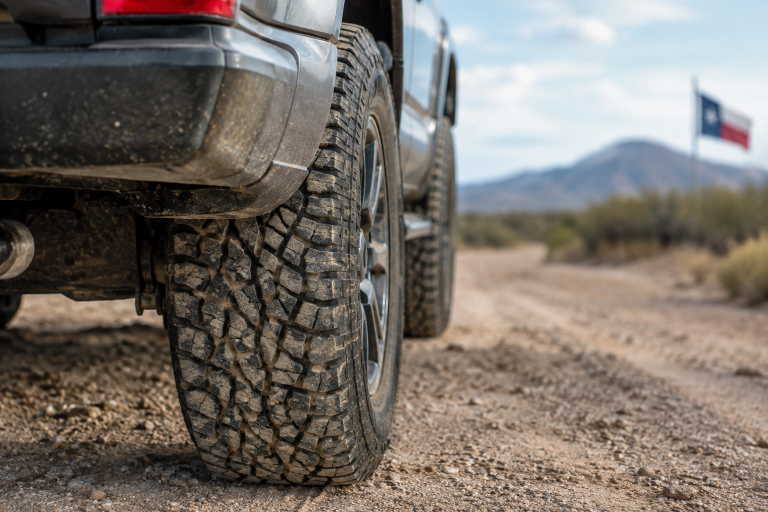
Also consider the routes. Long interstate trips between Texas cities reward a stable, quiet ride and supportive seats. Tight parking lots in Dallas, Austin, and Houston can make a large crew-cab, long-bed truck less convenient. If the truck will see ranch roads, wet grass, sand, or construction sites, traction and ground clearance may deserve more attention than a luxury trim package.
Choose the Right Truck Size
Compact and Midsize Pickups
Compact and midsize trucks can suit commuting, light hauling, home projects, and smaller trailers. Their shorter length can be welcome in crowded neighborhoods and parking garages. Before choosing one, confirm rear-seat room, bed dimensions, and the exact payload rating for the truck you are considering.
Full-Size and Heavy-Duty Pickups
Full-size light-duty pickups generally offer more cab space, bed capacity, and towing capability. They can make sense for family travel, work crews, frequent trailer use, and bulky cargo. Heavy-duty models are better suited to demanding towing and large payloads, but their size, stiffer ride, larger tires, and operating costs can be unnecessary for a truck that spends most days empty in city traffic.
Compare Towing and Payload Ratings
Maximum towing capacity is not the only number that matters. Towing and payload ratings should be reviewed together because a trailer adds weight to the hitch, while people, coolers, tools, bed covers, and other accessories add weight to the truck.
- Payload is the weight the truck can carry, including occupants, cargo, and trailer tongue weight.
- Tongue weight is the downward load a conventional trailer puts on the hitch.
- GVWR is the maximum permitted weight of the loaded truck.
- GCWR is the maximum combined weight of the truck and trailer.
For example, a travel trailer may be below a truck’s advertised trailer limit, but the setup may still exceed payload after adding a family of four, hitch equipment, luggage, and the trailer’s tongue weight. Use the payload information on the specific truck’s door-jamb label, not a broad model-line estimate.
Pick a Powertrain That Fits the Routine
Gasoline engines are often practical for daily driving, occasional towing, and a lower upfront cost. Diesel power may appeal to owners who frequently tow heavy loads, although purchase price and service needs should be part of the decision. Hybrid trucks can be useful for drivers who spend considerable time in stop-and-go traffic in Texas cities, while battery-electric pickups work best when charging access and typical route distance fit the owner’s routine. Towing, high speeds, extreme Texas heat, and strong headwinds can all increase energy use, so buyers should evaluate these factors based on their actual travel patterns.
Match the Cab, Bed, and Drivetrain
Configuration can be more important than trim level. A regular cab may fit a work-focused owner who rarely needs rear seating. An extended cab provides occasional rear-seat capacity, while a crew cab is usually the practical choice for families, crews, pets, and road trips. Short beds are easier to maneuver, standard beds offer flexibility, and long beds are valuable for lumber, equipment, and work cargo.
Two-wheel drive can be a sensible fit for primarily paved Texas roads. Four-wheel drive may be useful on loose dirt, wet ground, steep access roads, or off-pavement job sites. It also adds weight and cost, so it should solve a real need. If a truck will be used for towing, confirm that the selected cab, bed, axle, engine, and drivetrain combination supports the required ratings.
Calculate the Full Cost of Ownership
Do not judge affordability by the monthly payment alone. Add expected fuel or charging costs, insurance, registration, maintenance, tires, brakes, accessories, and loan interest. Larger off-road tires and suspension modifications can change ride quality, tire costs, and towing behavior. For many Texas owners, a practical bed liner, tie-down equipment, trailer brake controller, and heat-resistant windshield shade may be more useful than appearance-only upgrades.
Use a Thorough Used-Truck Checklist
A used truck may have worked hard even if it looks clean. Review service records and vehicle history, inspect the frame and bed for rust, damage, or poor repairs, and look for uneven tire wear. Test the brakes, steering, air conditioning, lights, trailer wiring, and four-wheel-drive system if equipped. Listen for unusual drivetrain noises during acceleration, braking, and turns. An independent pre-purchase inspection is a wise step, particularly for a truck with towing equipment, lift modifications, or incomplete maintenance records.
Take a Smarter Test Drive
A short lap around the block is not enough. Drive on local streets and a highway, try a tight parking maneuver, check visibility, and operate the tailgate, bed steps, tie-downs, cameras, and storage compartments. Bring the people who will regularly ride in the truck, and install a child seat if that is part of normal use. A realistic test drive helps reveal whether a pickup is truly comfortable and capable for the life it will lead.
Final Thoughts
The right pickup for Texas is the one that handles regular work with a sensible margin while remaining manageable on ordinary days. Focus on real loads, exact ratings, configuration, comfort, and long-term expenses. With that approach, a truck can be ready for the jobsite, the family schedule, and the next open-road weekend without becoming more vehicle than you need.
