

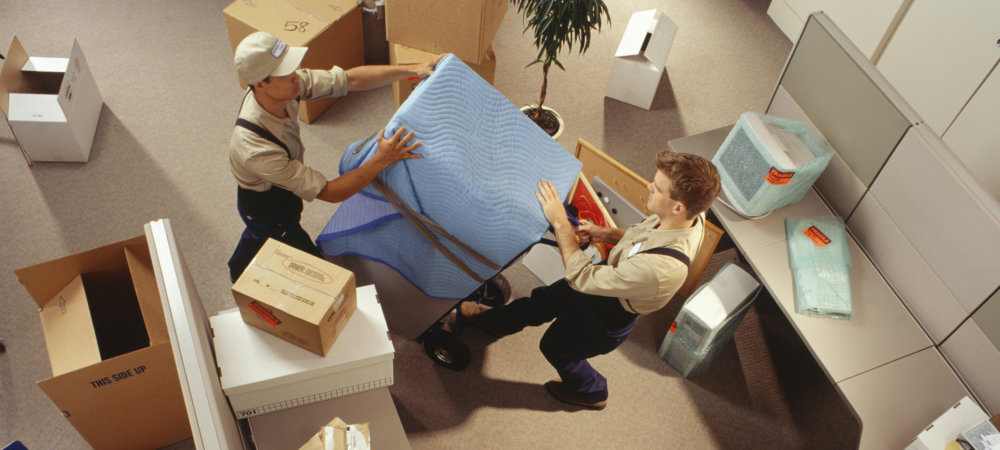
Relocating a workplace is only half the journey. Once boxes arrive and furniture is in place, the real work begins: transforming a new space into a fully functioning environment. The post-move phase determines how quickly teams regain productivity, how smoothly systems operate, and how confident employees feel in their surroundings. Thoughtful setup prevents confusion, reduces downtime, and helps organizations transition with minimal disruption. Guidance from a commercial moving company often emphasizes that a structured post-move plan is just as important as the relocation itself, because it turns a physical move into an operational success.
Reestablishing Workflow and Department Organization
The first priority after a move is restoring workflow. Even when a relocation is carefully planned, teams need time to adjust to new layouts, equipment placement, and communication patterns. Department leaders should confirm that essential tools are accessible, shared resources are clearly located, and pathways support efficient movement. A workspace that mirrors operational logic allows employees to resume tasks with fewer interruptions.
Clear labeling and placement strategies become especially valuable in the early days. When files, supplies, and equipment are organized intentionally, employees spend less time searching and more time working. This sense of order reduces stress and builds confidence in the new environment. Many businesses discover that the relocation process is an opportunity to refine layout decisions that previously caused inefficiencies.
Technology alignment is another key factor in restoring workflow. Workstations, printers, and network access points should be verified to ensure seamless connectivity. Even small delays in system availability can ripple across departments. Teams benefit from quick testing procedures that confirm devices function correctly before full operations resume. Businesses that plan this step carefully often experience a smoother return to productivity after working with a commercial moving company.
Prioritizing Technology and Infrastructure Checks
Modern workplaces rely heavily on digital infrastructure, making system verification essential during post-move setup. Servers, routers, and communication equipment must be inspected to confirm stability and security. A relocation introduces variables such as new wiring paths, environmental conditions, and equipment positioning, all of which can influence performance.
Testing should follow a logical sequence. Core systems that support communication and data access come first, followed by secondary tools that enable collaboration. Confirming that backups function properly and that security protocols remain intact protects sensitive information during a vulnerable transition period. Attention to these details reduces the likelihood of unexpected outages or compatibility issues.
Environmental factors also deserve consideration. Lighting, airflow, and noise levels can affect concentration and equipment performance. Adjustments to workstation positioning or climate control may be necessary once teams begin working in the space. A comfortable environment supports both employee well-being and technological reliability. These infrastructure checks, often recommended by a commercial moving company, ensure that the workspace is not only functional but optimized for daily demands.
Supporting Employees During the Transition
Relocation can be disruptive on a personal level, even when the move is positive for the organization. Employees may feel disoriented in unfamiliar surroundings, which can temporarily affect morale and efficiency. A thoughtful onboarding process for the new space helps teams adapt more quickly.
Orientation sessions introduce staff to updated layouts, emergency exits, shared facilities, and workflow adjustments. Providing clear guidance reduces uncertainty and empowers employees to navigate the environment confidently. Managers who remain accessible during this period encourage open communication about concerns or suggestions.
Team engagement also plays a meaningful role in post-move success. Encouraging employees to personalize their work areas within organizational guidelines fosters a sense of ownership. Small gestures, such as welcoming gatherings or collaborative setup efforts, reinforce unity and reduce stress. When leadership prioritizes employee comfort, the transition feels less like a disruption and more like a shared milestone.
The insights a commercial moving company brings often highlight the human element of relocation. Productivity thrives when employees feel supported, informed, and included in the process. Balancing operational priorities with team well-being creates a smoother adjustment period.
Fine-Tuning the Workspace for Long-Term Efficiency
Once core systems are stable and employees have settled in, the focus shifts to refinement. The early weeks in a new space reveal opportunities to improve layout, storage solutions, and workflow patterns. Observing how teams interact with the environment provides valuable feedback that informs adjustments.
Leaders should encourage departments to share observations about bottlenecks or inefficiencies. Small changes, such as repositioning equipment or reorganizing shared areas, can produce meaningful gains in productivity. Continuous improvement ensures that the workspace evolves alongside operational needs rather than remaining static.
Maintenance planning is equally important. Establishing routines for equipment checks, cleaning schedules, and inventory management prevents gradual decline in organization. Your commercial moving company can often provide recommendations for maintaining order and protecting assets over time. A proactive approach keeps the workspace functional and professional.
Long-term efficiency also depends on documentation. Recording layout decisions, infrastructure configurations, and equipment placements simplifies future updates or expansions. This institutional knowledge becomes a resource that supports consistent operations even as teams grow.
A successful relocation extends beyond transporting furniture and equipment. The post-move phase shapes how effectively an organization functions in its new environment. By restoring workflow, verifying infrastructure, supporting employees, and refining the workspace, businesses create conditions that encourage productivity and stability. Partnering with a commercial moving company provides valuable perspective on how to navigate this transition with clarity and intention. When setup is approached as a strategic process rather than an afterthought, the new workspace becomes a foundation for growth, collaboration, and long-term success.
