

Key Takeaways
- Agoura Hills drivers benefit most from protection that matches outdoor parking, freeway travel, canyon roads, and family use.
- Window film, paint protection film, ceramic coatings, and routine cleaning solve different problems.
- Visibility, legal requirements, and careful installation matter as much as product selection.
- A simple maintenance routine protects comfort, appearance, and long-term value.
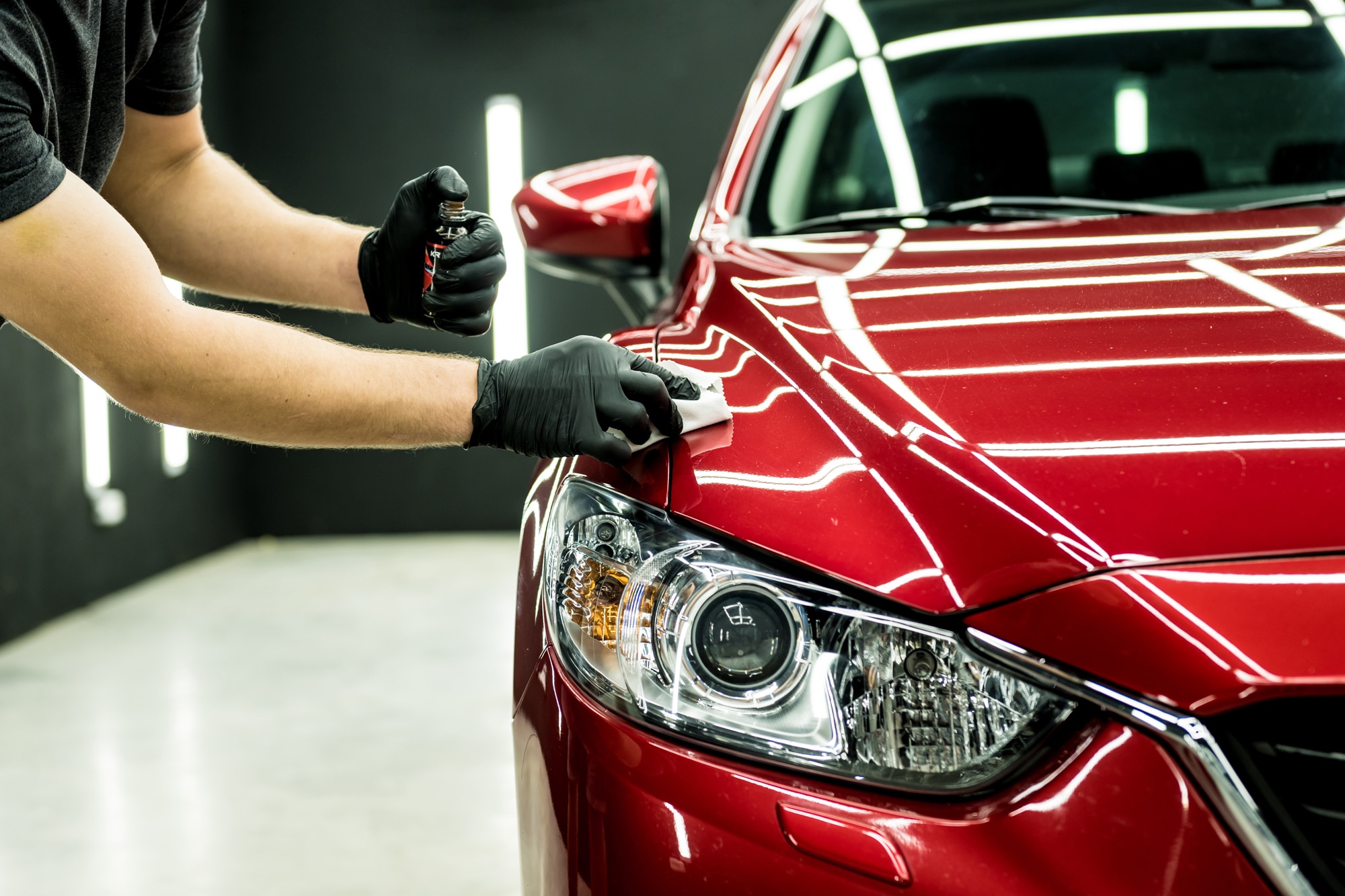
In Agoura Hills, vehicle care is about more than keeping a car shiny. Bright Southern California sun, warm parking lots, dusty canyon routes, highway debris, and everyday errands can gradually affect paint, glass, trim, and upholstery. Choosing a ceramic coating for cars in Agoura Hills, CA, can be a practical part of a broader plan to reduce routine wear.
The right plan depends on how the vehicle is actually used. A commuter crossing the 101, a family SUV hauling sports gear, and a weekend vehicle headed toward Malibu Canyon will not face the same mix of heat, dust, spills, and road grit. Start with the exposures your vehicle sees most often.
Why a Care Plan Matters
Occasional washing is helpful, but it is not a complete strategy. Windblown particles can scratch paint during improper washing, direct sun can heat interior surfaces, and small spills can become stains or odors if ignored. Planning, owners protect high-wear areas before minor issues become costly repairs.
Think about ownership length, mileage, parking habits, and vehicle age. Someone leasing for three years may focus on keeping the finish and cabin presentable. An owner planning to keep a vehicle for a decade may prioritize durable paint protection, interior preservation, and professional upgrades that improve daily comfort.
For drivers searching for automotive ceramic coating near me, the best starting point is not simply choosing the most extensive service. It is identifying which panels receive the most sun, debris, fingerprints, or wash-related wear, then selecting protection that fits those risks and the available budget.
Start With Driving Habits
Before selecting film, coating, or accessories, ask a few practical questions:
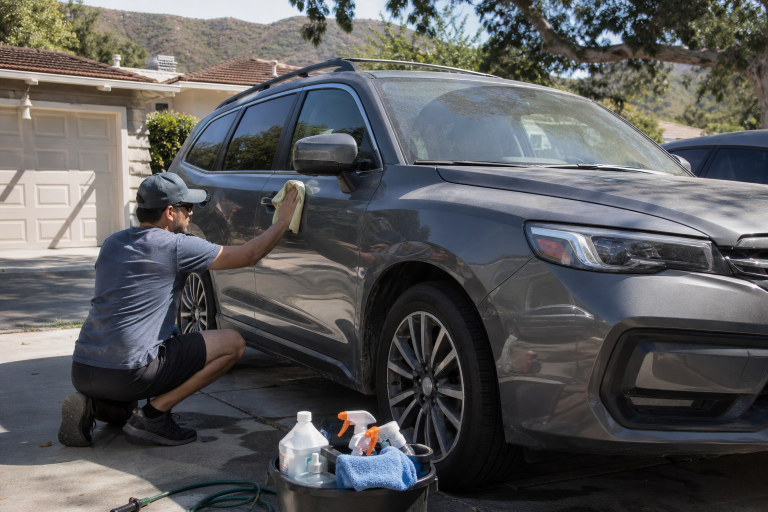
- Is the vehicle parked outdoors most weekdays?
- Does the commute include fast-moving highway traffic or unpaved shoulders?
- Do morning and late-afternoon drives create persistent glare?
- Are children, pets, tools, groceries, or athletic equipment often carried?
- Will the vehicle be kept long enough for preventive care to pay off?
An outdoor commuter may prioritize heat control and front-end paint care. A family vehicle may get more value from floor liners, seat protection, regular vacuuming, and easy-to-clean cargo surfaces.
Choose the Right Window Film
Automotive window film is available in dyed, carbon, metallic, and ceramic constructions. Dyed films can provide a darker appearance at a lower cost. Carbon film generally offers stronger heat control without a reflective look. Metallic film can effectively block heat, but it may interfere with certain electronic signals. Ceramic film is often chosen for its strong heat rejection and signal compatibility, without requiring the darkest possible shade.
Darker does not automatically mean more comfortable. Look at visible light transmission, glare reduction, heat performance, warranty coverage, and clear outward visibility. California drivers should also keep the glass clear and safe to use, since the California DMV requires an unobstructed field of view through the windshield during a driving test. Confirm the current window film requirements before installation, especially for front windows.
Questions to Ask Before Choosing Film
- What level of heat rejection is needed for outdoor parking?
- Will the film affect GPS, mobile reception, or satellite radio?
- What visible light transmission level is appropriate and compliant?
- What are the curing instructions and written warranty terms?
Protect the Paint
Each paint-care option has a distinct job. Regular washing removes grit and contaminants. Wax and sealants add temporary gloss and water-repellent properties. Ceramic coatings create a durable protective layer that can make washing easier. Paint protection film helps guard vulnerable painted panels against chips, scuffs, and road debris.
For Agoura Hills roads, practical, high-impact coverage often includes the front bumper, leading edge of the hood, mirrors, door edges, rocker panels, and rear cargo lip. Neither film nor coating makes paint damage-proof. Both work best when the surface is properly cleaned, decontaminated, and corrected before application.
Keep the Interior Comfortable
Cabin care protects both comfort and resale appeal. Vacuum regularly, use material-specific cleaners for leather, vinyl, fabric, and screens, and remove loose dirt before wiping. A windshield sunshade can reduce the heat load on the dashboard and steering wheel during long outdoor parking periods.
Heat and sunlight are reasons to stay consistent, not reasons to panic. The UV Index scale is a useful reminder that solar exposure changes with weather and season. Use it as another prompt to park in shade when possible, protect exposed interior surfaces, and keep sunglasses available for bright driving conditions.
Add Electronics With Purpose
Dash cameras, parking cameras, phone mounts, upgraded audio, remote starters, and security devices can all be worthwhile when they solve a real problem. Choose equipment based on daily needs, then use a qualified installer. Poor wiring can cause rattles, battery drain, damaged trim, or conflicts with factory electronics.
Build a Maintenance Schedule
- Weekly: Remove trash, wipe high-touch areas, and check tire pressures.
- Monthly: Wash exterior surfaces, clean glass, and inspect tires, trim, and door seals.
- Every three months: Clean floor mats, inspect film edges, and check paint for contamination or new chips.
- Twice yearly: Review wipers, lights, coatings, interior materials, and weather seals.
- Before road trips: Inspect fluids, tires, emergency supplies, lights, and visibility.
Avoid Common Mistakes
Common errors include choosing tint by darkness alone, using abrasive towels, applying protection over neglected paint, expecting ceramic coating to stop rock chips, and delaying attention to bubbling film or lifting edges. If tint bubbles persist after the recommended curing period, if water spots remain after proper cleaning, or if paint feels rough, address the issue early rather than scrubbing aggressively.
Final Checklist
- Identify the vehicle’s main exposure risks.
- Choose protection based on actual use, not marketing claims.
- Check visibility and legal considerations before selecting window film.
- Use gentle, material-appropriate cleaning products.
- Ask about preparation, curing, maintenance, and warranty coverage.
- Fix small problems before they affect comfort, appearance, or value.
Vehicle care in Agoura Hills works best when it is steady and practical. Focus first on the conditions your car faces every day, protect the areas most likely to wear, and maintain those upgrades with a simple routine. That approach can keep a vehicle more comfortable, easier to clean, and better prepared for years of local driving.
