

Key Takeaways
- Texas weather affects where pests breed, feed, and look for shelter.
- Rain can increase mosquitoes, ants, and termite activity, while heat and drought often drive pests toward indoor water sources.
- Sealing gaps, managing moisture, and maintaining the yard can reduce pest pressure year-round.
- Coastal, urban, rural, and dry regions of Texas can experience very different seasonal pest patterns.
- Early prevention is usually easier than responding after repeated pest sightings begin.
Texas weather can change quickly, and pests often respond just as fast. A week of heavy rain, followed by warm temperatures, may create ideal breeding conditions for some insects. A long dry stretch can have the opposite effect by sending ants, rodents, and other pests into homes in search of water. Homeowners who understand these patterns can make smarter prevention decisions before a small issue grows.
For practical guidance on identifying recurring pest activity and improving prevention around the home, Romney Pest Control offers information that can help homeowners recognize common warning signs. The most effective approach starts with watching how weather changes affect moisture, entry points, food sources, and outdoor shelter near the property.
Why Weather Plays A Major Role In Pest Activity
Pests need the same basic things that most living creatures need: favorable temperatures, water, food, and protection. Weather changes can alter all four within days. Warm, humid conditions may speed up insect activity and reproduction, while saturated soil can force ground-dwelling pests to move toward higher, drier spaces. During extreme heat, shaded landscaping, garages, bathrooms, and kitchens can become more appealing than the outdoors.
Not every pest reacts in the same way. Mosquitoes benefit from standing water, while ants may enter during both wet and dry periods for different reasons. Termites can become more noticeable after rain, and rodents may seek buildings when outdoor food and water become limited.
What Spring Rain Can Bring To Texas Homes
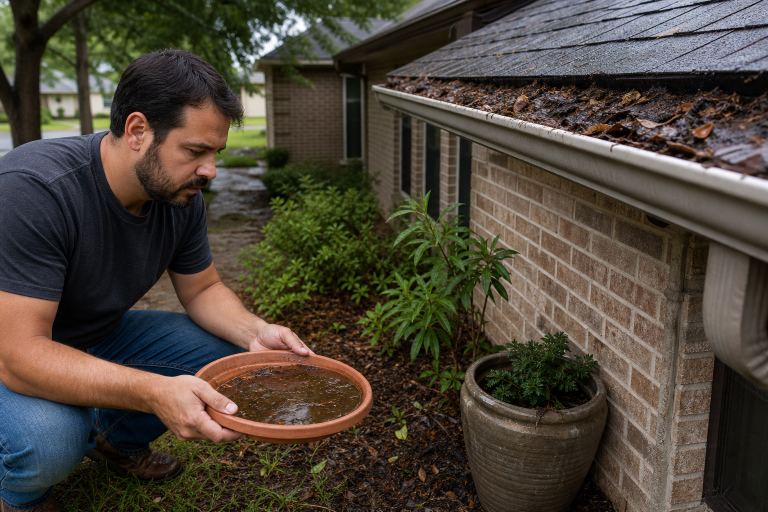
Spring rain is helpful for lawns and gardens, but it can also leave water behind in gutters, flowerpot saucers, toys, tarps, birdbaths, and clogged drainage areas. Even small amounts of standing water can support mosquito development. Homeowners should empty containers regularly and make sure downspouts carry water away from the foundation.
Wet weather can also increase activity from ants, termites, flies, and spiders. As spring temperatures rise and moisture increases during the season, conditions become favorable for mosquitoes, termites, and other household pests. Damp soil, fresh plant growth, and abundant insect prey all make yards more attractive to a wide range of species.
How Summer Heat Changes Pest Behavior
Texas summer heat can make indoor spaces especially tempting. Insects, spiders, and rodents may move toward cooler, shaded areas with steady access to water. Air-conditioned homes can provide a more stable environment than a dry yard, particularly when plumbing leaks, condensation, or pet water bowls are available.
Common summer entry points include:
- Gaps beneath garage doors and exterior doors
- Cracks around windows, siding, and foundations
- Openings around plumbing pipes, cable lines, and utility boxes
- Torn window screens and loose vent covers
- Unsealed crawl-space openings and roofline gaps
Check beneath sinks, around air-conditioning equipment, and near bathroom fixtures for moisture. A minor drip or a poorly draining area can be enough to attract pests that are struggling to find water outdoors.
Drought Conditions Can Drive Pests Indoors
When soil dries out and natural water sources disappear, pests often change their routine. Ants may follow plumbing lines into kitchens and bathrooms. Rodents may investigate garages, pantries, and utility rooms. Scorpions and cockroaches can also look for cooler temperatures and moisture near doors, drains, and wall openings.
Texas A&M experts have reported that heat and drought can push more pests indoors as they search for food and water. For example, a homeowner may see more ants near a kitchen sink after several rain-free weeks, even when the counters and floors are clean. Fixing leaks and sealing access points matters because cleanliness alone cannot block every pathway.
Fall Weather Can Send Pests Looking For Shelter
Cooler nights in fall can change pest movement around Texas homes. Rodents, crickets, cockroaches, and spiders may look for warmth, food, and protected nesting areas as outdoor temperatures become less predictable. Attics, garages, sheds, and storage rooms are especially attractive because they are quiet and often contain clutter.
A fall inspection should include rooflines, attic vents, weatherstripping, garage corners, and stored boxes. Look for droppings, gnaw marks, shed skins, nests, or gaps around pipes and wiring. Removing cardboard and unnecessary clutter also reduces hiding places.
Winter Does Not Mean Pest Activity Stops
Mild Texas winters allow some pests to stay active, especially in warmer parts of the state. Sudden cold snaps may drive insects and rodents indoors, while warm winter afternoons can bring activity back outside. Winter is a useful season for maintenance because pest pressure may be lower, making entry points easier to identify and repair.
Replace worn door sweeps, repair screens, clean storage areas, and inspect crawl spaces for dampness or rodent evidence. These steps can reduce problems before spring rain and summer heat return.
Regional Differences Across Texas
- Houston and Southeast Texas: Humidity and frequent moisture can support mosquitoes, termites, ants, and cockroaches.
- Dallas-Fort Worth: Rapid temperature swings may cause alternating periods of outdoor insect activity and indoor movement.
- San Antonio and Central Texas: Heat, dry soil, limestone terrain, and sudden storms can influence ants, scorpions, mosquitoes, and rodents.
- Rural and suburban areas: Wooded lots, drainage ditches, fields, firewood piles, and outbuildings can provide additional food and shelter.
A Practical Home Pest Prevention Checklist
- Empty standing water from outdoor containers and equipment.
- Clean gutters and direct downspouts away from the foundation.
- Trim shrubs and branches so they do not touch the home.
- Store firewood, lumber, mulch, and cardboard away from exterior walls.
- Repair damaged screens, door sweeps, and vent covers.
- Fix dripping faucets, leaking pipes, and irrigation problems.
- Store food in sealed containers and clean spills promptly.
- Inspect attics, garages, and crawl spaces after major weather changes.
When A Pest Problem Needs More Attention
One occasional insect does not always indicate an infestation. Repeated sightings, insects seen during daylight, unexplained bites, unusual odors, wood damage, droppings, nests, or mud tubes can point to a larger issue. Identifying the pest before choosing a treatment is important because different species require different methods.
Common Questions About Weather And Pests
Do More Bugs Appear After Heavy Rain?
They can. Rain creates moisture, supports plant growth, and leaves standing water for mosquitoes. It can also displace pests from flooded or saturated soil.
Why Do Ants Enter Homes During Dry Weather?
Ants may enter while looking for reliable water and food sources, especially near sinks, bathrooms, pet bowls, and plumbing lines.
Can A Clean Home Still Have Pest Problems?
Yes. Good sanitation helps, but pests can still enter through cracks, vents, rooflines, plumbing gaps, and damaged screens.
How Often Should A Home Be Checked?
Perform a quick visual check each month and a more detailed inspection after heavy rain, storms, prolonged drought, or sudden temperature changes.
Conclusion
Texas weather can alter pest activity in a matter of days. Rain may create breeding areas, intense heat may push pests toward shade and water, and drought can send them indoors. Regular inspections, moisture control, yard maintenance, and timely repairs make a home less inviting in every season. Watch for patterns, remove the conditions pests need, and address repeated signs before they become a larger problem.
