

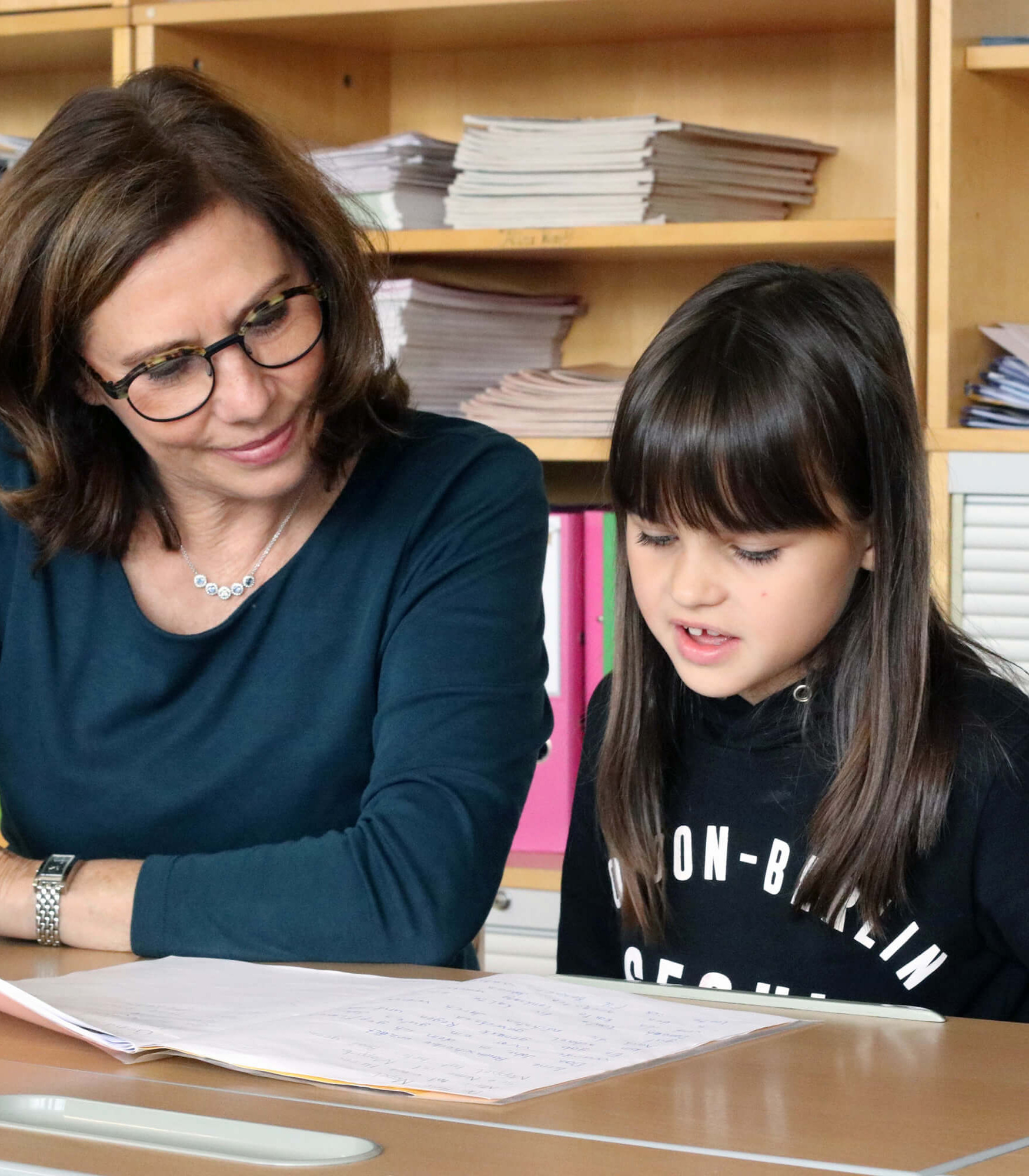
Parents often face the challenge of finding the most suitable support for their children’s learning journey. With a vast array of options available, from traditional textbooks to innovative digital platforms, identifying effective Lernhilfe Kinder can feel overwhelming. The goal is always to supplement classroom learning, build confidence, and foster a genuine love for knowledge, rather than creating additional stress. The key lies in aligning the chosen aid with the child’s unique personality, learning style, and specific academic requirements.

Overview
- Selecting the appropriate learning aid starts with thoroughly understanding your child’s individual learning style and specific academic challenges.
- There’s a wide spectrum of learning aids, including traditional workbooks, interactive apps, educational games, and one-on-one tutoring.
- Age-appropriateness, engagement factor, and alignment with educational goals are crucial considerations when choosing Lernhilfe Kinder.
- Parental involvement and regular communication with educators are vital to ensuring the chosen aid is effective and well-integrated.
- It’s important to introduce learning aids as fun and supportive tools, avoiding pressure, to maintain a child’s intrinsic motivation.
- Evaluating the progress and adaptability of the learning aid over time is necessary to ensure its continued relevance and benefit.
Understanding Your Child’s Needs for Lernhilfe Kinder
Before diving into the multitude of learning aids, the first and most critical step is to truly understand your child. Every child learns differently. Some are visual learners who benefit from diagrams, videos, and colorful presentations. Others are auditory learners who grasp concepts best through listening, discussions, or podcasts. Kinesthetic learners, on the other hand, learn by doing, experiencing, and interacting physically with materials. Observing how your child approaches homework, what types of activities they gravitate towards, and discussing their preferences can offer valuable insights.
Beyond learning styles, pinpointing specific areas where your child might need extra support is essential. Are they struggling with a particular subject like math or reading? Do they lack organizational skills or time management? Or perhaps they need help building confidence in their abilities? A detailed discussion with your child’s teacher can provide professional perspective and highlight areas of concern or potential strengths that could be leveraged. Knowing these specifics will greatly narrow down the search for the most effective Lernhilfe Kinder.
Different Types of Lernhilfe Kinder Explained
The landscape of learning aids is incredibly diverse, offering something for nearly every need and preference. Traditional aids include workbooks, flashcards, and educational board games, which offer tactile interaction and reinforce basic concepts. For instance, in the US, many school supply stores stock a wide range of these materials designed for various grade levels.
In the digital realm, educational apps and online platforms have gained immense popularity. These often provide interactive lessons, quizzes, and games that make learning enjoyable and engaging. They can be particularly effective for subjects like mathematics or foreign languages, offering immediate feedback and personalized learning paths. Virtual tutoring is another option, connecting children with qualified educators from the comfort of their home, providing individualized attention and targeted instruction. Beyond structured tools, creative outlets like building kits, science experiment sets, or art supplies can also serve as powerful Lernhilfe Kinder, fostering critical thinking, problem-solving, and creativity in a less formal setting.
Key Factors When Selecting Lernhilfe Kinder
When making a selection, several factors should guide your decision to ensure the Lernhilfe Kinder you choose genuinely benefits your child. Firstly, consider the age-appropriateness and developmental stage. A learning aid designed for a 10-year-old might be too advanced or too simplistic for an 8-year-old. The content should be challenging enough to stimulate growth but not so difficult as to cause frustration.
Secondly, engagement is paramount. If a child doesn’t find the learning aid interesting, they won’t use it effectively. Look for tools that capture their attention, perhaps through gamification, captivating visuals, or interactive elements. Safety and privacy are also crucial, especially with digital aids. Research the platform’s policies and ensure it’s a secure environment for children. Finally, think about the practicality: how easily can it be integrated into your family’s routine? Is it affordable? Is there ongoing support available if issues arise?
Integrating Lernhilfe Kinder into Daily Routines
Once you’ve selected a suitable Lernhilfe Kinder, the next step is to seamlessly integrate it into your child’s daily or weekly routine without it feeling like an additional chore. Consistency is key. Instead of long, infrequent sessions, short, regular bursts of engagement are often more effective. This could mean 15-20 minutes after school, a specific time slot on weekends, or even incorporating it into a family activity.
It’s important to frame these learning sessions positively, emphasizing progress and effort rather than just results. Celebrate small victories and acknowledge their hard work. Parents can also model positive learning behaviors by engaging in their own learning activities alongside their child. Regularly check in with your child about their experience with the learning aid. Are they still enjoying it? Are they finding it helpful? Be open to adjusting or changing the aid if it’s no longer serving its purpose, remembering that a child’s needs and interests can evolve over time. The goal is to build a supportive learning environment that complements formal education, making the journey enjoyable and impactful.
